What it is

From where you are to where you want to be.

That is the simplest definition of a coach: someone who helps you get from where you are to where you want to be. And, sometimes, who helps you figure out where you want to be in the first place.

Executive coaching is not consulting, not training, not therapy, not mentoring. For a wider map of when each format fits, see the companion essay on the five instruments senior leaders use →

Trusted by leaders at
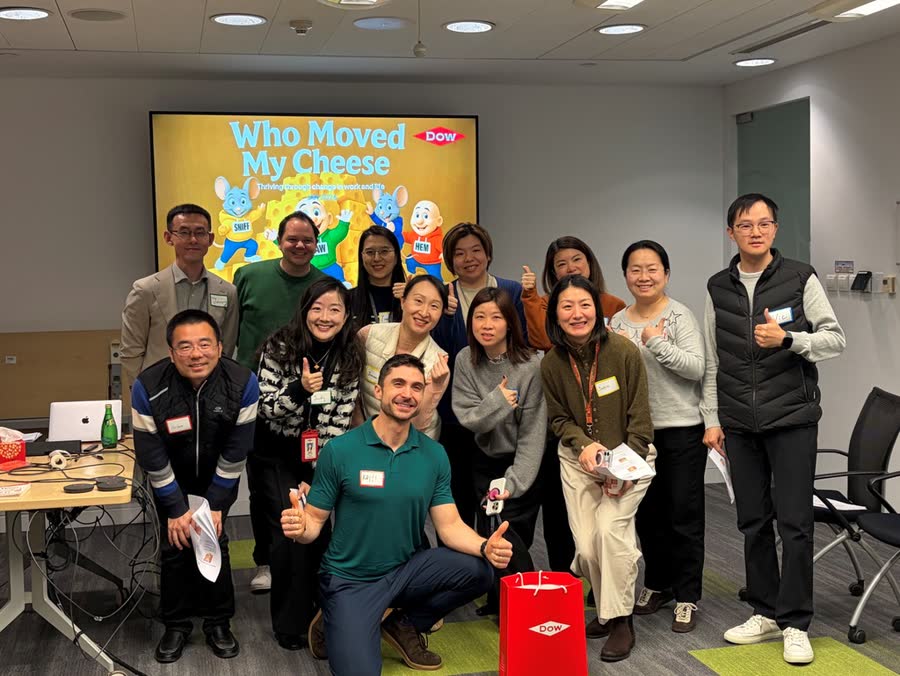
Dow Chemical General Electric CEIBS Eli Lilly LVMH World Trade Organization
When coaching is most useful

Seven moments coaching reliably earns its fee.

Across senior careers, the same set of inflection points keeps showing up. These are the windows where a confidential thinking partner with no agenda inside the company tends to compound the most.

01

Stepping into a new role

A new title, a new reporting line, a new geography, or a step-change in scope. The first six months are the most you will learn and the most exposed you will be. A confidential thinking partner is worth ten times what they cost in that window.

02

Business turnaround & restructuring

Leading change under pressure: a market shift, a strategic reset, a difficult restructuring. The decisions stack quickly and the politics of each one matter. Coaching gives you a room to think clearly about people, sequencing, and the cost of moving too fast or too slow.

03

Building a team you didn't choose

You inherited a team. You may need to keep half of it, replace a third, and grow the rest. The decisions are stacked and political. Coaching gives you a room to think out loud about people decisions in a way you cannot with HR or with your boss.

04

Entering a new market

Whether a new country, a new product category, or a new customer segment, the operating instinct from your last market is now a partial liability. Coaching helps you separate what transfers from what does not, faster than you would do alone.

05

Succession preparation

Picking and developing a successor is the conversation most senior leaders have least and rehearse worst. A coach has had this conversation with many leaders before, and the patterns are clearer from the outside.

06

Planning your own exit

Voluntary or otherwise, the decision sits at the intersection of identity, finance, family and legacy. Very few people in your life have the standing to be in that conversation without an opinion. A coach can hold all four corners at once, which is rare.

07

Navigating a complicated dynamic

A difficult relationship with a boss, a peer, or a board member. A political situation that has stopped responding to common sense. A team conflict that keeps returning in different forms. The pattern is usually in the leader as well as in the other person, and the leader needs a thinking partner who can see the pattern without being inside it.

08

Continued leadership development

No triggering event. Just the recognition that the gap between the leader you are and the leader you intend to become has stopped closing on its own. Open-ended growth where range, judgement, and self-awareness shift in small ways at once. The value compounds quietly across six to twelve months.


How it works

What an engagement actually looks like.

  1. 01

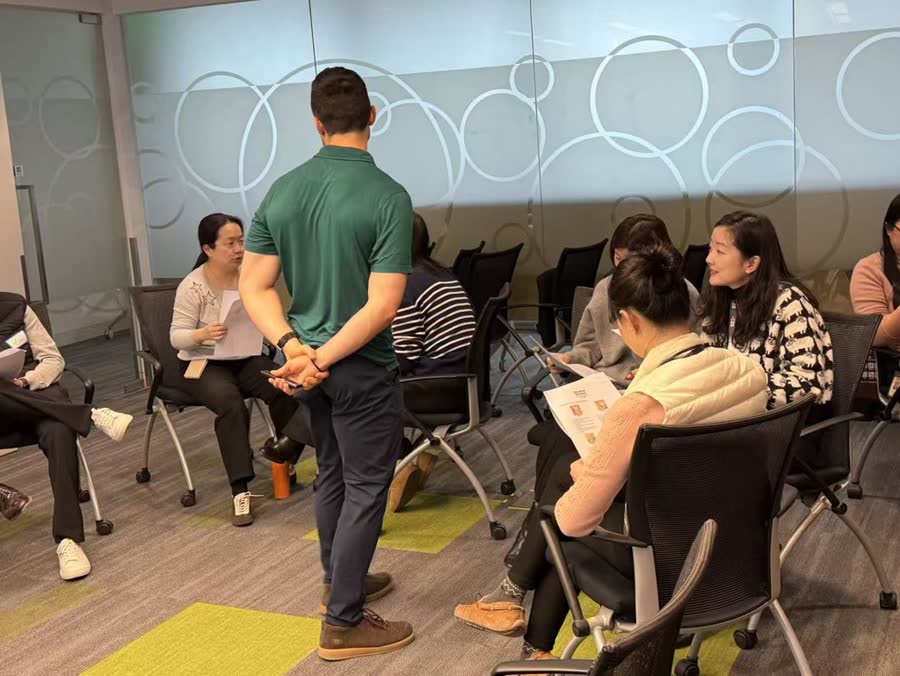
    A first conversation, no obligation. We discuss your situation and whether coaching is the right instrument for what you're navigating.

  2. 02

    An intake survey and a goal-setting session to surface what good would look like at the end of the engagement.

  3. 03

    Regular sessions, in person in Shanghai or by video. Length and cadence are agreed up front and adjusted to the work, with most clients meeting every one to three weeks.

  4. 04

    Where the situation calls for it, the work extends to the team: confidential one-on-ones with each direct report, then a facilitated joint session.

  5. 05

    A mid-cycle review and an end-of-engagement debrief. Concrete commitments are tracked between sessions.

For HR leaders & companies

A custom approach for the organisation.

Beyond individual engagements, companies frequently bring us in to design coaching around a specific situation, population, or moment in the year. Six engagement patterns recur, and all of them can be tailored.

01

High-potential talent

We help your top talent get ready for their next leadership role. The engagement is built jointly with HR, goals are agreed up front with both the leader and the sponsor, and content stays confidential between leader and coach.

02

Onboarding a leader to China

We help newly-arrived foreign executives land effectively in the Chinese context: reading the team, building the right relationships, and getting traction in the first ninety days rather than the first year.

03

Newly promoted leaders

We help leaders stepping into bigger scope, a first P&L, or a regional role make the role shift quickly, not just the title shift.

04

Outplacement coaching

We help employees affected by restructuring find their next role and process the layoff with dignity. Confidential, practical, and respectful of both the individual and the company.

05

Business turnaround

We help your team navigate an increasingly fast-moving regulatory, political, and commercial environment in China, and lead the operational and people decisions that come with it.

06

Team coaching

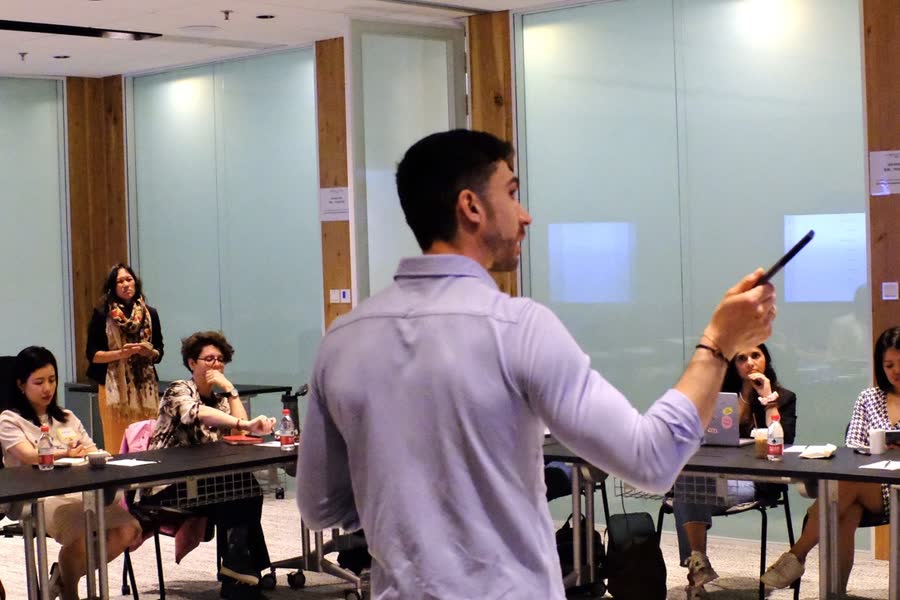
We help intact teams build the trust, conversations, and operating rhythms that actually move work forward, with the kind of facilitated sessions that surface what people are not saying in the meeting room.

In their own words

What leaders we've worked with say.

Quotes from senior leaders we have coached one-on-one across industries. Used with permission, attributed to role and employer where each client agreed.

The whole experience was a lifeline. We are going through a period of tremendous change. We have been impacted by deteriorating US-China relationships and by the wars. Our supply chain is facing constant challenges and restructuring. Stepping back and doing it with a professional coach gave our team the clarity to move forward with confidence.
Supply Chain ExecutiveDow Chemical
I had to step into a new role reporting to a person with whom I had difficulty getting along. I was able to change the nature of our relationship, see things from a different perspective and find an ally instead of an adversary.
Senior ExecutiveEli Lilly
It was instrumental in putting me on a career path aligned with my goals and values while stepping into a more senior role. Without it, I would likely have taken much longer and probably made a decision I would regret a few years down the line.
Retail ExecutiveLVMH
It's hard to find the time to think and it's difficult to find a professional in the art of thinking to guide you in the process. The work with The Clarity Company gave me both.
Senior ExecutiveWorld Trade Organization
Start a conversation

Tell us about your chapter.

A no-pressure first conversation about your situation, what good would look like, and whether coaching is the right instrument for what you're navigating. Everything you share is confidential.

Message received.

Thank you. We read every message personally and will respond within a few working days.

We respond personally within a few working days.

Common questions

FAQ

How long does a typical engagement run?

Most engagements run six months, with session length and cadence agreed up front and adjusted to the work. Many clients meet every one to three weeks, in sessions of 60 to 90 minutes. Many continue for a second six-month cycle once the initial goals are in motion. Shorter engagements are possible for very specific situations, such as a single decision or a transition window, but six months is where most of the value compounds.

In person or remote?

Whichever fits your chapter. In Shanghai, most sessions are face-to-face. Outside Shanghai, sessions are over video. For most leaders, a mix of both works best: in-person when stakes are high, video when calendar reality requires it.

What kinds of situations does coaching work best for?

The pattern is fairly consistent. Coaching reliably earns its fee for:

  • Stepping into a new role or geography
  • Business turnarounds, restructurings, leading change under pressure
  • Building or rebuilding a team you inherited
  • Entering a new market
  • Succession preparation, both yours and others'
  • Planning your own exit, voluntary or otherwise
  • Navigating a difficult relationship with a boss, peer, or board
  • Open-ended leadership development across six to twelve months

It is the wrong instrument when you need information you don't yet have (consulting), technical skill-building (training), or therapeutic support. The companion essay on the five instruments senior leaders use goes deeper.

Can the work extend to my team?

Yes, when the situation calls for it. The most common pattern is a 1:1 engagement that surfaces a team-level dynamic, after which we run confidential one-on-ones with each direct report, synthesise the themes, and convene a facilitated joint session. The leader stays the client throughout; team conversations are confidential and individual feedback is never attributed.

What happens in the room stays in the room?

Yes. Confidentiality is absolute, covering names, companies, and details. Where the engagement extends to team-level work, the same rule applies to every conversation in the team intake.

Can my company pay for it?

Yes. We can issue fapiao, and in many cases this can be positioned as a leadership-development engagement. If needed, we can help frame the case for internal HR or budget approval.

What if I don't have time?

Fair question. Most clients come to coaching precisely because they don't have time to make slow, lonely, expensive decisions. A focused session every one to three weeks is a small price for moving faster where it actually matters, and many of the leaders who do this work well say their coaching hour is the most important slot in their fortnight.

How is this different from The Clarity Group?

Executive coaching is one leader, one room, one chapter at a time. The Clarity Group is a confidential peer cohort of six to eight senior leaders meeting monthly. They are two different formats for two different needs: the cohort is built for the perspective that comes from a curated group of peers, the 1:1 for the depth, pace, and confidentiality of working through a single leader's situation in detail.

I am in HR. How do I sponsor a coach for one of our executives?

The simplest path is a three-way intake. You and the executive set the headline goals up front, we propose a scope of work and a checkpoint cadence, and then the sessions themselves stay strictly between the leader and the coach. We can issue fapiao and frame the engagement against your internal L&D or leadership-development budget. Use the contact form or write directly to info@findtheclarity.com.

What does HR see from inside an engagement?

HR and the coach agree on the goals and on a small number of structured checkpoints (typically at the start, mid-cycle, and end). At those checkpoints the coach reports back on progress against the goals, not on the content of the sessions. The leader chooses what to share beyond that. This split is what makes the room genuinely safe and the engagement genuinely useful.

Can you design something for a group of leaders, not just one?

Yes. Common shapes include a coaching pool for a tier of senior leaders, an outplacement programme for a restructuring, a team-coaching engagement for an intact leadership team, or a structured debrief programme after a major change. See the six patterns above or get in touch to scope something specific.